
Fatigue Pants
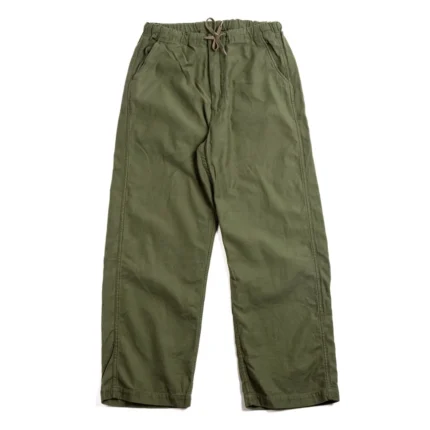
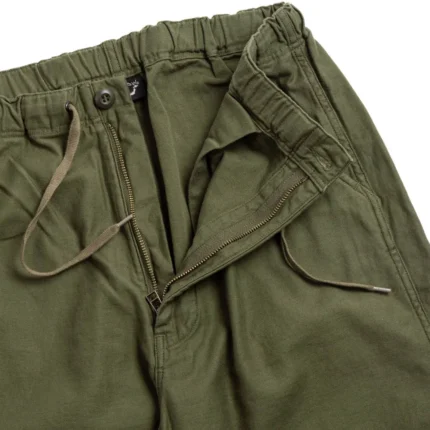
orSlow (1021–77) Wide Fit New Yorker Dark Olive
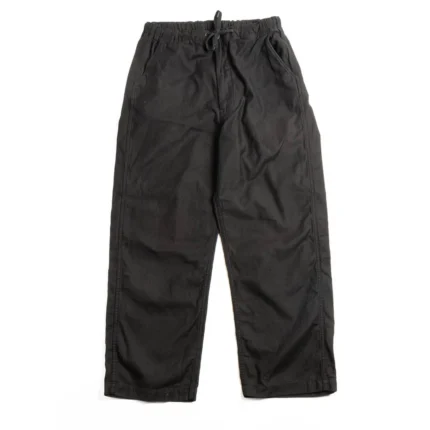
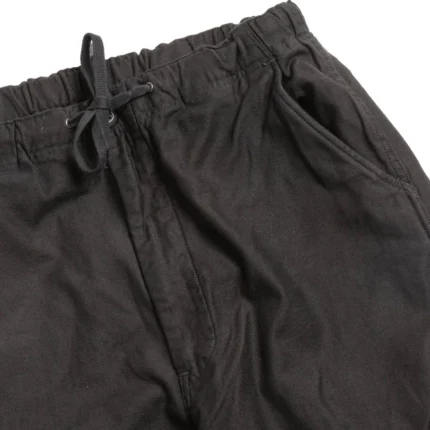
orSlow (1021–R61) Wide Fit New Yorker Black
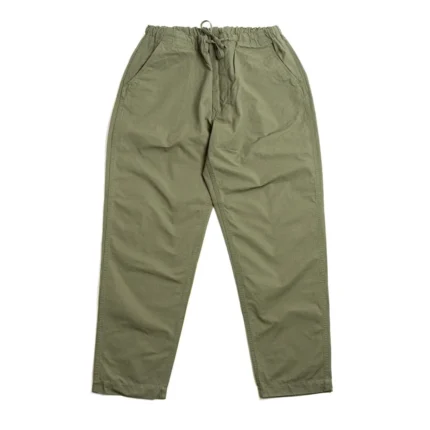
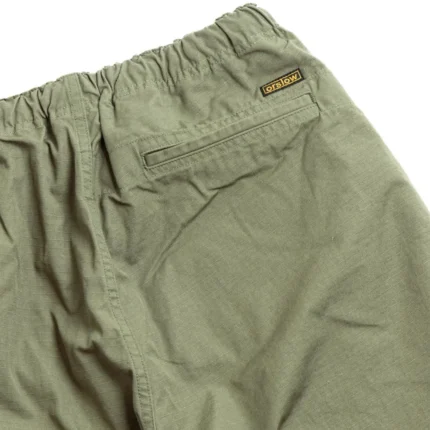
orSlow (LOT 1002) New Yorker Pant Army Ripstop
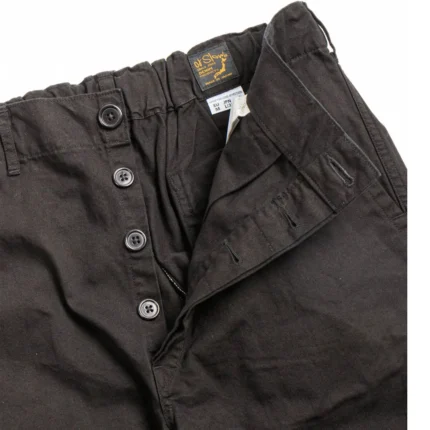
orSlow (LOT–5000) Original Herringbone French Work Pant Black
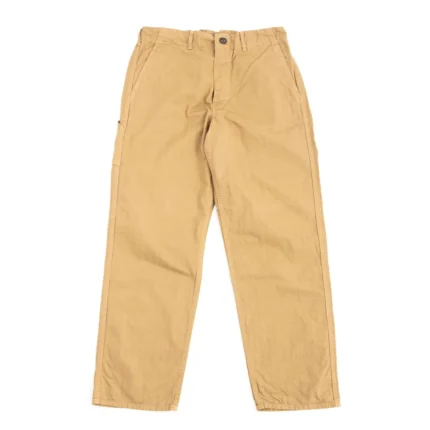
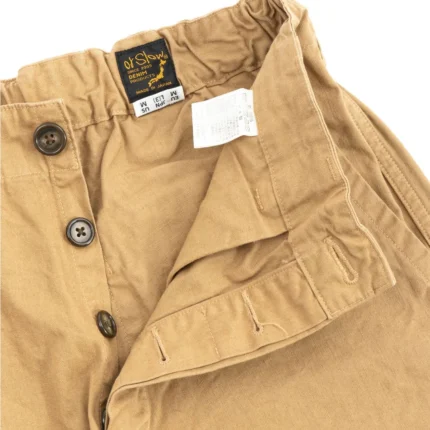
orSlow (LOT–5000) Original Herringbone French Work Pant Khaki
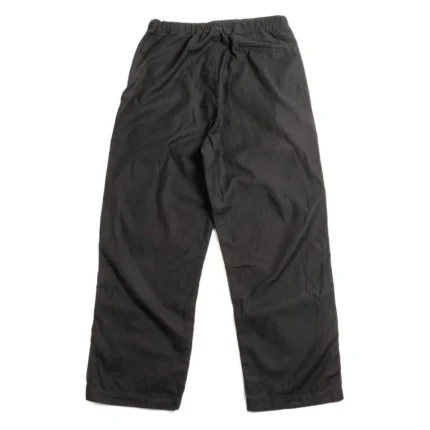
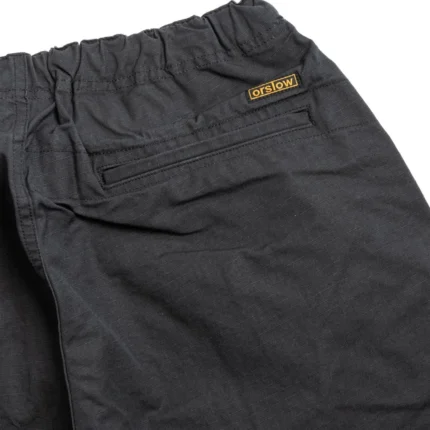
orSlow (LOT1002) New Yorker Pant Sumi Black Ripstop
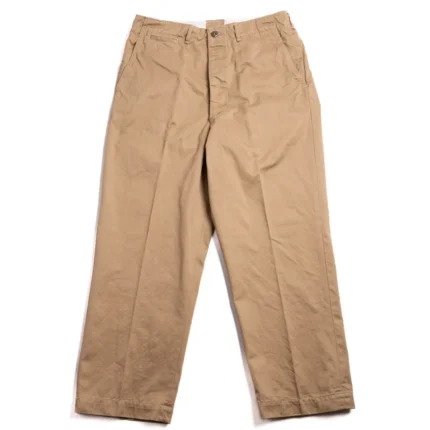
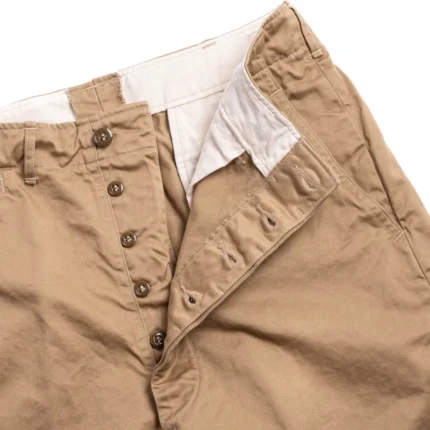
orSlow (V5361–41) Vintage Fit Army Trouser Dark Khaki
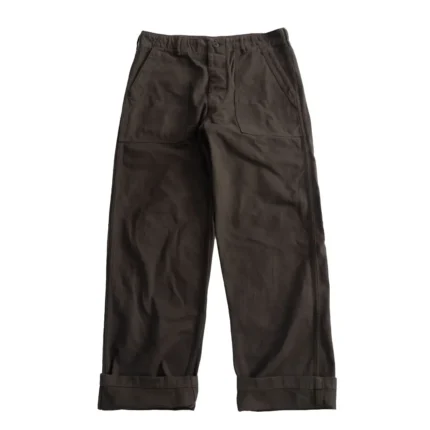
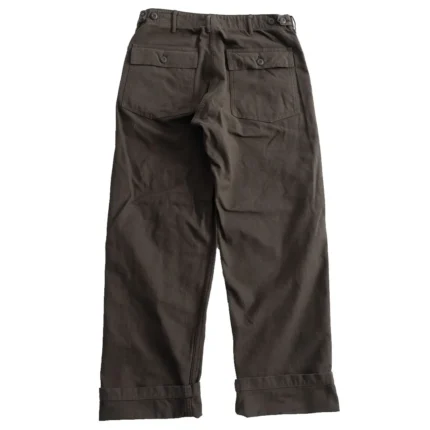
orSlow 01-5002-52K – Fatigue Pants Brushed Flannel Standard Fit – Coffee Brown
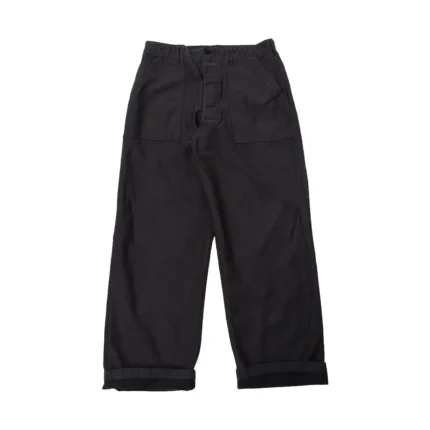
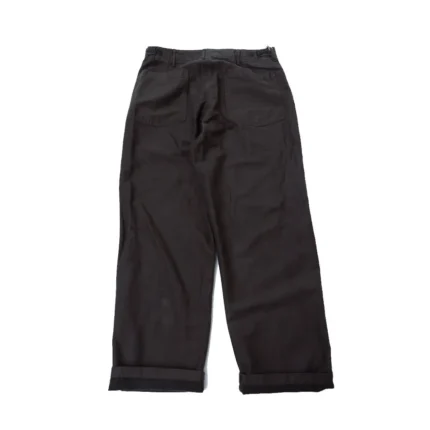
OrSlow 01-5104-60K – Fatigue Pants Cotton Linen Moleskin Relax Fit – Charcoal Gray
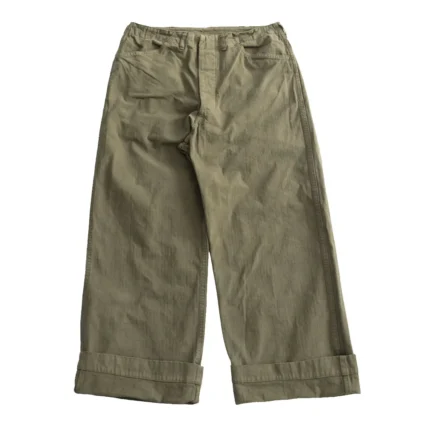
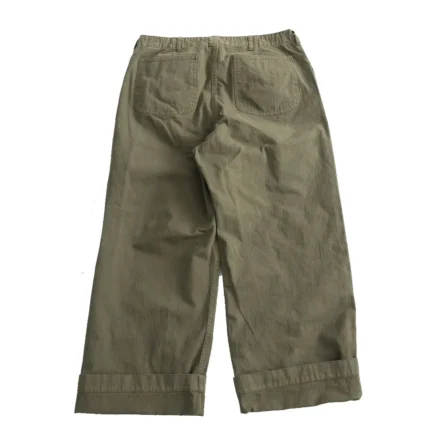
orSlow 01-5210-77K – USMC Herringbone Wide Fit Utility Trousers – Dark Olive
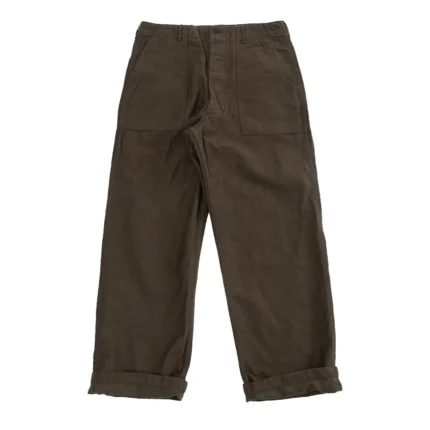
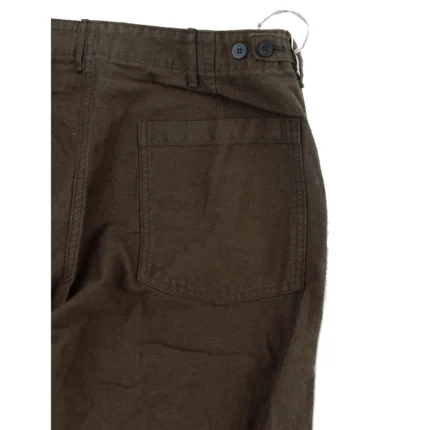
OrSlow 5104 Fatigue Pants Cotton Linen Moleskin Relax Fit – Coffee Brown
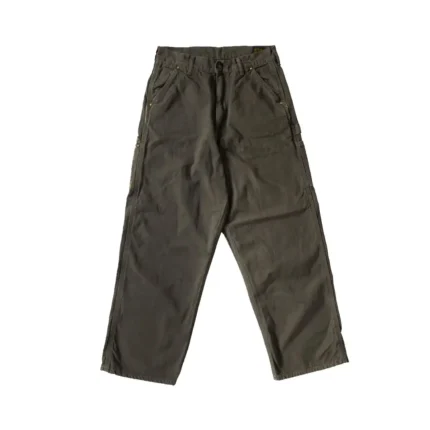
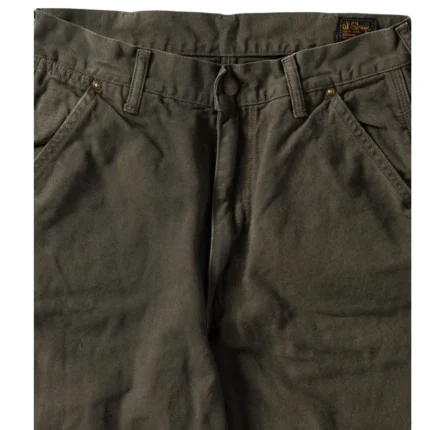
orSlow Dad’s Fit Oxford Painter Pants – Army Green
OrSlow Fatigue Pants: The Ultimate Combination of Military Heritage and Modern Comfort
OrSlow Fatigue Pants have become a staple in the world of heritage fashion and premium workwear. Inspired by classic military utility trousers, these pants offer the perfect blend of functionality, durability, and timeless style. Produced by the renowned Japanese brand OrSlow, they reflect the company's commitment to slow fashion, superior craftsmanship, and authentic design.
Fashion enthusiasts and workwear collectors appreciate OrSlow Fatigue Pants because they combine vintage military aesthetics with modern comfort. Their versatile design makes them suitable for casual outfits, outdoor adventures, and everyday wear. Whether paired with a simple T-shirt or layered with a workwear jacket, these pants provide a stylish and practical foundation for any wardrobe.
The Heritage Behind OrSlow Fatigue Pants
OrSlow draws inspiration from traditional American military and workwear garments. The Fatigue Pants are heavily influenced by military utility trousers worn by soldiers during the mid-twentieth century. These original garments were designed for durability, functionality, and comfort under demanding conditions.
Rather than simply reproducing vintage pieces, OrSlow carefully refines the design for modern wearers. The brand preserves the classic silhouette and utility-focused details while improving fit and comfort. This thoughtful approach has helped make OrSlow Fatigue Pants one of the most respected military-inspired garments available today.
Premium Japanese Craftsmanship
One of the defining qualities of OrSlow Fatigue Pants is their exceptional Japanese craftsmanship. Every pair is manufactured with meticulous attention to detail, ensuring consistent quality and durability.
The brand uses premium fabrics such as cotton sateen, twill, and ripstop materials. These fabrics are selected for their strength, comfort, and ability to age beautifully over time. Reinforced stitching and carefully constructed seams contribute to the pants' impressive longevity.
This dedication to craftsmanship ensures that OrSlow Fatigue Pants maintain their appearance and functionality through years of regular wear.
Superior Comfort and Fit
Comfort plays a major role in the popularity of OrSlow Fatigue Pants. Unlike many military-inspired trousers that can feel stiff or restrictive, OrSlow designs its pants with everyday wear in mind.
The relaxed fit provides freedom of movement while maintaining a clean and structured silhouette. The carefully balanced proportions allow the pants to drape naturally, creating a flattering look for various body types.
As the fabric softens with wear, the pants become even more comfortable, adapting to the wearer and developing a personalized fit over time.
Timeless Military-Inspired Design
The design of OrSlow Fatigue Pants remains faithful to classic military utility trousers. Signature features include large front patch pockets, rear flap pockets, durable button closures, and a relaxed straight-leg fit.
These practical elements not only enhance functionality but also contribute to the pants' distinctive aesthetic. The minimalist design allows them to pair easily with a wide variety of clothing styles, making them one of the most versatile garments in modern menswear.
Because the design is rooted in heritage rather than trends, OrSlow Fatigue Pants remain stylish year after year.
Versatility for Every Occasion
One of the greatest strengths of OrSlow Fatigue Pants is their versatility. They can be styled in countless ways, making them suitable for different occasions and seasons.
For a classic workwear-inspired outfit, pair them with a denim jacket and leather boots. A simple white T-shirt creates a relaxed and effortless everyday look. During colder months, layering with knitwear or military-inspired outerwear enhances their rugged appeal.
The understated design also allows them to work well with more refined pieces, such as Oxford shirts and loafers. This flexibility makes them an essential wardrobe staple.
Durability Built to Last
OrSlow Fatigue Pants are designed for longevity. The premium fabrics and reinforced construction allow them to withstand daily use without losing their shape or character.
Unlike fast-fashion alternatives, these pants improve with age. The fabric gradually develops subtle fading and texture variations that reflect the wearer’s lifestyle. This aging process creates a unique appearance that adds personality and authenticity.
Because of their exceptional durability, many owners wear their OrSlow Fatigue Pants for years, making them a worthwhile investment.
Why Fashion Enthusiasts Love OrSlow Fatigue Pants
The popularity of OrSlow Fatigue Pants extends beyond military and workwear enthusiasts. Their timeless design and superior quality have attracted a broad audience of fashion-conscious consumers.
People appreciate the authenticity of the garment and the brand’s commitment to traditional manufacturing methods. Every detail, from the pocket placement to the fabric selection, reflects a thoughtful approach to design.
In a market saturated with disposable fashion, OrSlow offers a refreshing alternative focused on craftsmanship, quality, and longevity.
Sustainable Slow Fashion Philosophy
OrSlow's name reflects its dedication to creating clothing slowly and responsibly. Rather than producing large quantities of trend-driven garments, the brand focuses on timeless pieces that can be worn for years.
The Fatigue Pants embody this philosophy perfectly. Their durable construction reduces the need for frequent replacement, supporting a more sustainable approach to fashion consumption.
Investing in quality garments like OrSlow Fatigue Pants encourages a wardrobe built on longevity rather than short-term trends.
Styling Tips for OrSlow Fatigue Pants
Creating stylish outfits with OrSlow Fatigue Pants is remarkably easy. Their military-inspired design pairs naturally with heritage and casual clothing.
For a rugged aesthetic, wear them with a chambray shirt, work boots, and a denim jacket. For a cleaner look, combine them with a fitted T-shirt and minimalist sneakers.
During colder seasons, layer them with knit sweaters, field jackets, or wool coats. The neutral color options commonly offered by OrSlow make coordinating outfits simple and versatile.
Why OrSlow Fatigue Pants Are Worth the Investment
While premium garments often come with a higher price tag, OrSlow Fatigue Pants offer outstanding value. Their combination of durability, comfort, craftsmanship, and timeless style ensures long-term satisfaction.
Rather than purchasing multiple lower-quality alternatives, investing in a single pair of OrSlow Fatigue Pants provides years of reliable wear. Their ability to improve with age further enhances their value and appeal.
For anyone seeking a versatile, durable, and stylish pair of trousers, OrSlow Fatigue Pants remain one of the best options available.
Conclusion
OrSlow Fatigue Pants represent the perfect fusion of military heritage, Japanese craftsmanship, and modern functionality. Their durable construction, comfortable fit, and timeless design make them an essential piece for anyone who appreciates quality clothing.
Whether you're building a workwear-inspired wardrobe or simply searching for versatile everyday trousers, OrSlow Fatigue Pants deliver exceptional performance and enduring style. Their commitment to authenticity and slow fashion ensures they will remain a favorite choice for years to come.
10 Key Features of OrSlow Fatigue Pants
- Premium Japanese craftsmanship.
- Inspired by classic military utility trousers.
- Durable cotton sateen and twill fabrics.
- Relaxed and comfortable fit.
- Large functional front patch pockets.
- Reinforced stitching for longevity.
- Timeless military-inspired design.
- Develops unique character with wear.
- Versatile styling for all seasons.
-
Sustainable slow-fashion construction.